Non-resident hunters often ask the same question before booking a guided elk or mule deer hunt: just how difficult is it really?
The honest answer is that it varies widely depending on the state, the terrain, and the type of hunt you choose. Some guided hunts are relatively straightforward. Others, especially true wilderness hunts, are among the most demanding big-game experiences in North America.
Here are the real success rates and what you need to know.
Understanding Opportunity Rates on Guided Hunts
Success rates tell only part of the story. What matters more to most hunters is the opportunity rate — how many legitimate chances you actually get to harvest an animal during your hunt.
In remote western wilderness hunts like those in the Frank Church, opportunity rates are generally lower than on more accessible or high-density hunts. However, nearly all of our hunters receive at least one legitimate opportunity during their week in camp. Some years a small number do not — most often due to weather conditions or wildlife behavior.
It is also important to note that many hunters who do get an opportunity still miss. The pressure of the moment, not being fully comfortable with your rifle in field positions, or not being mentally prepared can cause even experienced hunters to miss shots they would make on the range.
We believe it is better to be honest about this upfront. A guided hunt is not a guaranteed harvest. It is a real wilderness experience with real wild animals.

Success Rates Across the West
Success rates for non-resident guided elk and mule deer hunts vary significantly by state and hunt style:
In states with high game density and more accessible terrain, guided success rates can range from 30% to over 50%.
In remote, low-density wilderness areas like Central Idaho, success rates are typically much lower — often in the 10–25% range for a 7-day hunt.
These numbers reflect the reality of hunting truly wild animals in vast, rugged country where elk and mule deer have evolved to survive heavy predation and hunting pressure.
At Wilderness Mule Outfitting in the Frank Church Wilderness, we operate in one of the most remote and demanding areas in the lower 48. Our success rates reflect that challenge, but they also reflect the quality of the experience. We prioritize honest, high-quality hunts over inflated harvest numbers.
Why Some Hunts Are Much Harder Than Others
Several factors make a wilderness hunt more difficult:
- Steep canyons and high elevation with significant vertical gain
- Lower game density and more dispersed animals
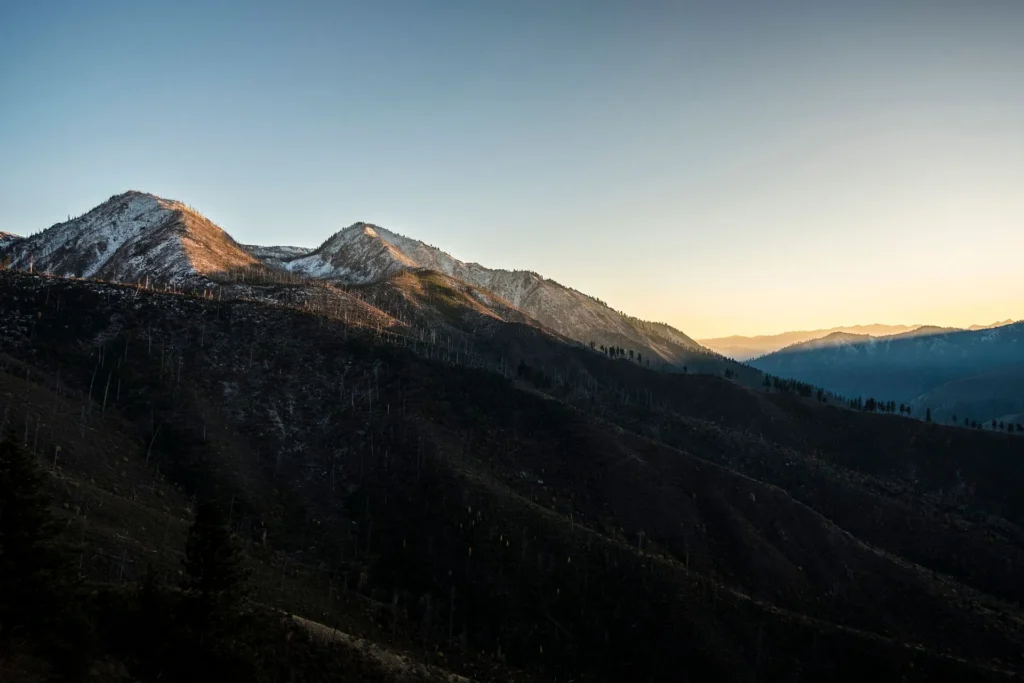
- Spot-and-stalk hunting in open burn country
- Animals that have adapted to wolf predation and hunting pressure
These factors are exactly why many serious hunters seek out remote wilderness hunts — the experience is far more rewarding, even if the odds are lower.

Final Thoughts
A guided elk or mule deer hunt in the West can be as easy or as difficult as you choose. If you want high odds and easier terrain, there are options. If you want a true wilderness experience with solitude and challenge, the Frank Church offers something increasingly rare.
The most important factor is being honest with yourself about what kind of hunt you want and how much you are willing to prepare for it.
If you’re seeking an honest conversation about difficulty, expectations, and whether a guided elk or mule deer hunt in the Frank Church Wilderness is right for you, we welcome it. [Start here → Frank Church Wilderness Elk & Mule Deer Hunt | Is It Right for You?]
Call now to speak directly with Caleb.

Frequently Asked Questions
How difficult is a guided elk or mule deer hunt in Idaho compared to other states?
Idaho’s remote wilderness hunts are generally more physically and mentally demanding than many hunts in Colorado or Wyoming due to steep terrain and lower animal density.
What is a realistic success rate for a 7-day guided hunt?
Success rates vary widely. In remote wilderness areas they are often 10–25%, while more accessible hunts can reach 30–50% or higher.
Does a lower success rate mean a lower quality hunt?
Not at all. Many hunters specifically seek more challenging wilderness hunts because the experience and sense of accomplishment are greater.
Can older or less experienced hunters be successful?
Yes, if they are properly prepared. Mental fortitude and smart preparation often matter more than age or prior wilderness experience.